Evening relaxation and a better sleep routine
A calm, unhurried wind-down can make your evenings feel more comfortable. This guide gathers gentle ideas you can shape into a routine that suits you.
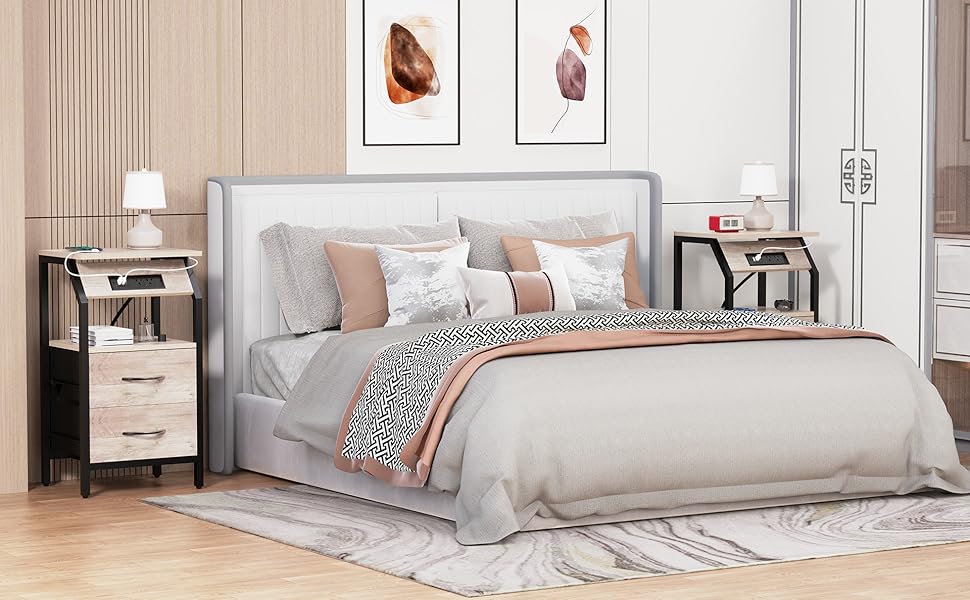
Start with a gentle transition
The hour before rest is a good time to slow down. Rather than stopping everything at once, ease into a quieter pace by lowering the lights and setting busy tasks aside.
You do not need to follow every idea here. Choose one or two that feel natural, try them for a few evenings, and add more only if you would like to.
Gentle steps for a restful evening
These steps are loose by design. Adjust the order and timing so the routine fits comfortably into your own evening.
-
Soften the lighting
Switch to a warm lamp instead of bright overhead lights so your space feels calmer as the evening continues.
-
Ease off screens
Set a comfortable point to put devices aside and swap to a slower activity such as reading or quiet listening.
-
Prepare your space
Tidy the area where you rest, smooth the bedding and lay out anything you will want in the morning.
-
Settle into quiet
Choose a relaxing activity you enjoy, keep the room comfortable and let the routine gently signal that the day is ending.
Small touches that support a calm evening
Little adjustments to your surroundings can make a comfortable evening easier to repeat. Try a few of these alongside your routine.
Keep things simple and forgiving. A routine works best when it feels relaxed rather than strict.
- Keep your space cool, quiet and comfortable
- Choose a consistent, relaxed time to wind down
- Set out a book or a calm playlist in advance
- Save busy planning for earlier in the evening
- Let the last part of the evening stay unhurried
Disclaimer
All materials and practices presented are for educational and informational purposes only and are intended to support general well-being. They do not constitute medical diagnosis, treatment, or advice. Before applying any practice, especially if you have chronic conditions, consult a qualified healthcare professional.